How Volunteers Help Maintain a Botanical Garden Collection
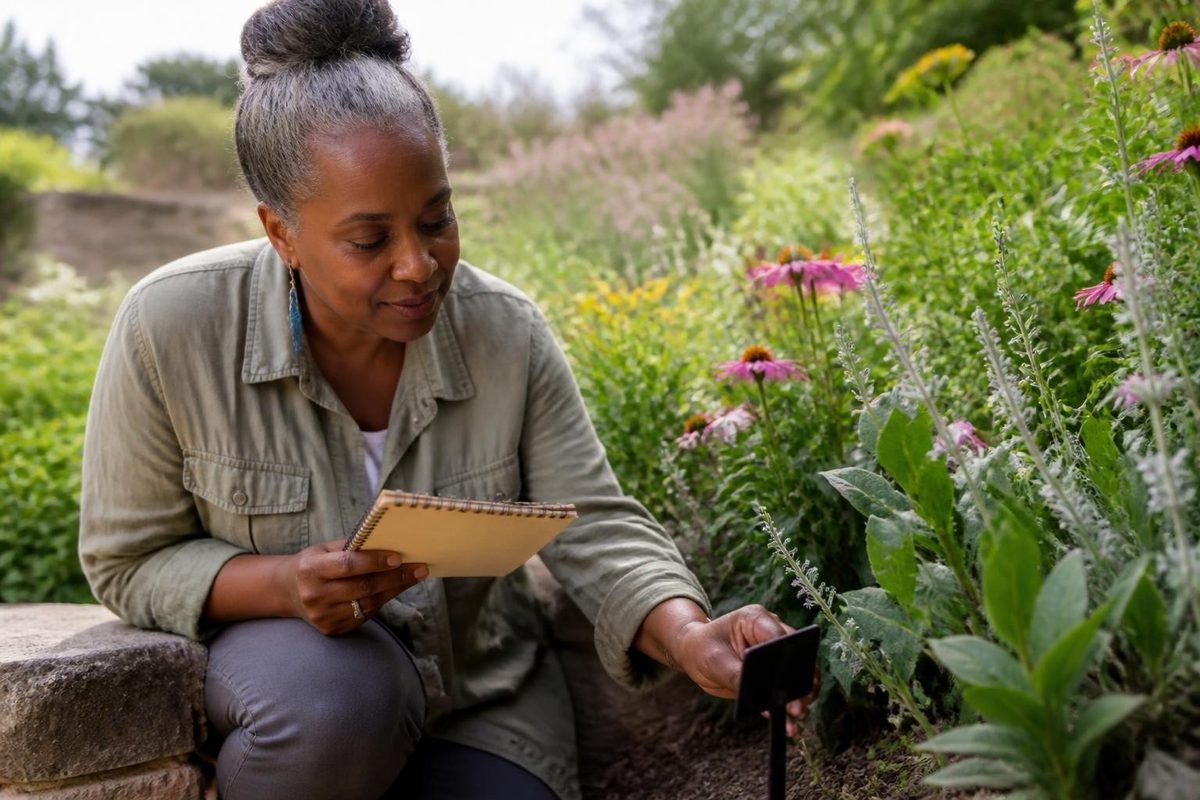
Volunteers help maintain a botanical garden collection by caring for plants, keeping records accurate, and reporting changes to garden staff. The most useful work follows the garden’s instructions, because a plant collection needs consistency as much as it needs a willing pair of hands.
Care for plants and their surroundings
Depending on their training and the garden’s needs, volunteers may weed beds, water plants, mulch soil, remove fallen leaves, or tidy paths. These jobs make it easier for visitors to see the collection and for staff to spot problems. A clear path also makes watering cans much less adventurous to carry.
Learn to recognize the plants you are meant to protect before pulling anything out. Seedlings and dormant plants can be easy to mistake for weeds. If you are unsure, leave the plant in place and ask a staff member.
Watering and pruning need particular care. Different plants have different needs, and a tidy cut is not always a helpful one. Follow the garden’s schedule and use only the methods you have been shown.
Support the collection step by step
A botanical garden collection is more than a display of attractive plants. Staff may track where plants came from, where they grow, and how they are doing. Volunteers can help keep that information useful while looking after the plants themselves.
- Get oriented. Ask which beds or tasks are assigned to you, what tools to use, and whom to contact with questions.
- Check labels. Note missing, damaged, or hard to read labels and tell the person responsible. Do not move a label without guidance.
- Work carefully. Follow instructions for watering, weeding, and cleaning tools. Clean tools as directed before moving between areas to help avoid spreading pests or disease.
- Report what you notice. Tell staff about broken branches, damaged plants, pests, or signs of illness. Include the plant’s location and label details if available.
- Record completed work. Use the garden’s log or reporting system so the next person knows what has been done.
Some volunteers may also help with seed collecting, propagation, or plant records after suitable training. Leave collecting and moving plant material to the people authorized to do it. A well meaning snip can remove material the garden needed to keep.
Questions volunteers often ask
Do I need gardening experience?
Not always. Gardens may offer introductory tasks and training, though requirements vary. Ask about the role before signing up.
Can I bring my own tools?
Check first. The garden may provide tools or have rules about cleaning and using personal equipment.
What should I do if a plant looks sick?
Report its location and describe what you see. Do not apply treatments or remove plant material unless staff ask you to.
How often should I volunteer?
Choose a schedule you can reliably keep and discuss it with the garden. Regular visits can help you notice changes, but occasional help may also be useful.
Have a look at here